OpenAI began rolling out a new ChatGPT memory system on June 4 for Plus and Pro users in the U.S.
The update is meant to make ChatGPT remember useful context across long-running projects without relying only on explicit saved-memory notes.
Today's lineup
- OpenAI is rebuilding ChatGPT memory around a background system it calls dreaming, starting with Plus and Pro users in the U.S.
- Poke is now promoting an Apple Messages experience after TechCrunch reported it became the first approved AI agent on Apple's Messages for Business platform.
- AirTrunk plans to invest $30 billion in India by 2030 for 5 gigawatts of data center capacity tied to cloud and AI demand.
- For everyday users: this is a good day to check what ChatGPT remembers before memory becomes more useful and more important.
OpenAI | ChatGPT memory gets rebuilt
OpenAI says the new memory architecture is designed to handle freshness, correctness, and scale as ChatGPT is used by hundreds of millions of people over years of conversations.
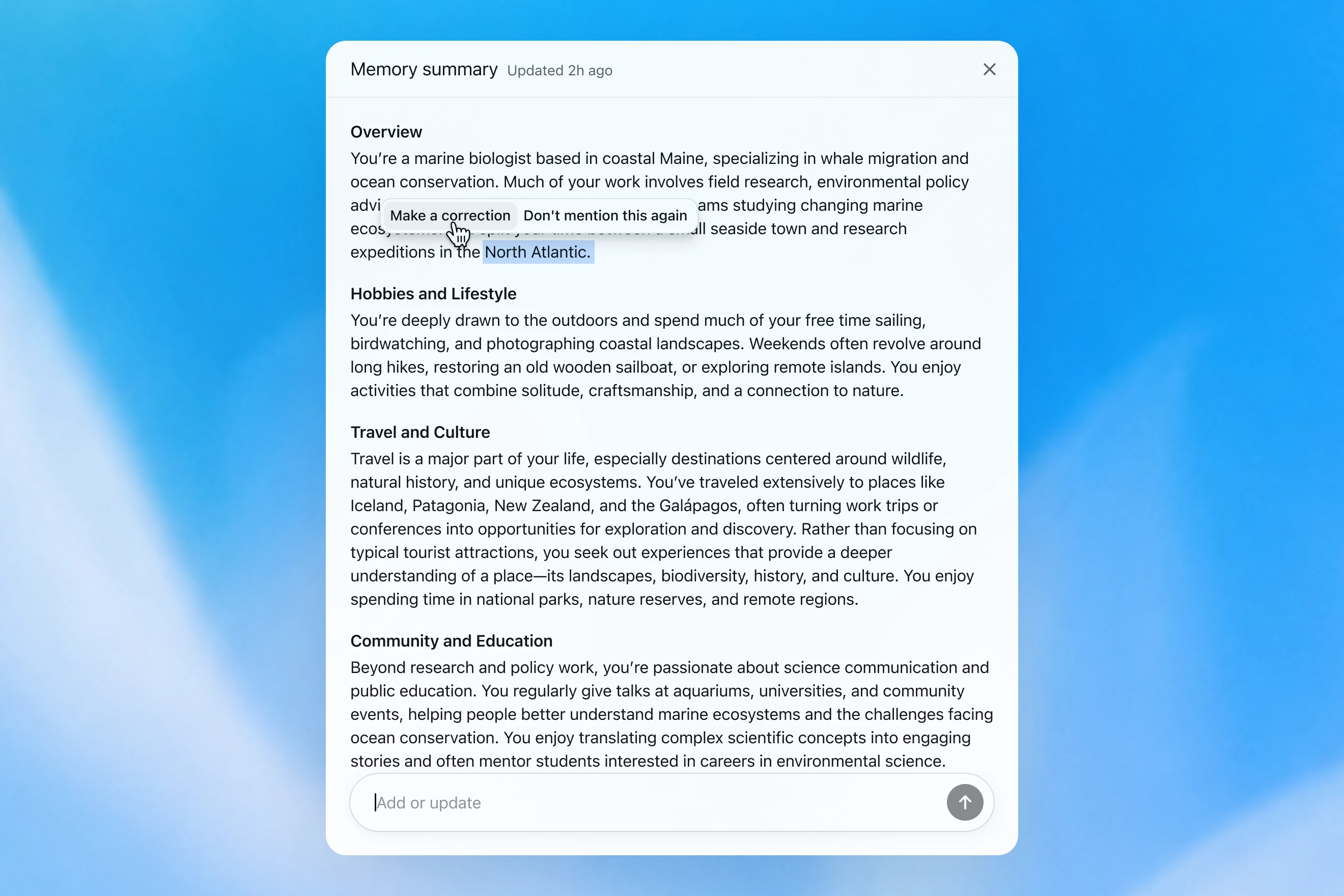
The beginner version: ChatGPT can carry more context forward from previous chats, such as your preferences, projects, constraints, location context, or recurring work. That means a new chat can start with more of the background already in place.
OpenAI says memories synthesized by the new system are reviewable through a visible memory summary page. Users can add, update, correct, or dismiss details from that summary instead of guessing what the model thinks it knows.
The rollout starts with Plus and Pro users in the U.S. OpenAI says more countries, Free users, and Go users will follow over the coming weeks.
Poke | AI agents reach iMessage
Poke updated its site to promote 'Poke, now on Apple Messages,' with a verified chat experience and rich actions inside Messages.
TechCrunch reported that Poke became the first AI agent approved to run on Apple's Messages for Business platform. The platform was built for customer conversations with businesses, not stand-alone personal AI agents, so this is an unusual distribution path.
The useful part is the packaging. Poke is trying to make an agent feel like a text thread instead of a technical tool. Its site highlights integrations such as Notion, Oura, and Gmail, plus scheduled reminders and recipes for automations.
Do not read this as Apple announcing a broad agent store yet. Apple has not publicly framed it that way. The safer read is that messaging is becoming one of the next places AI agents will try to live.
- Poke: Meet Poke, now on Apple Messages
- TechCrunch: Apple approves Poke for Messages for Business
- Apple: Messages for Business
Infrastructure | India gets a $30B AI data center bet
AirTrunk said it plans to invest $30 billion in India by 2030 and build 5 gigawatts of new data center capacity.
TechCrunch reported the move follows AirTrunk's entry into India through Lumina CloudInfra and fits a broader push by cloud and AI infrastructure companies to add capacity outside the usual U.S. data center hubs.
This is the other side of the ChatGPT memory story. More personal, persistent, context-heavy AI needs more compute, more storage, more networking, and more power. The user-facing feature looks like a better assistant. Behind it is a capital race.
- TechCrunch: AirTrunk commits $30B for India AI data centers
- Reuters via Investing.com: AirTrunk to invest $30B in India
Want the short version every weekday?
Subscribe now to The Daily AI News.
Why it matters now
The old chatbot pattern was one session at a time. The new pattern is persistent context: tools that remember the project, know the customer, understand the calendar, and can act through a message thread or connected app.
That makes AI more useful for normal work. It also raises the cost of sloppy setup. If an assistant remembers outdated preferences, sees too much account data, or carries a bad assumption across chats, the mistake follows the user.
For small teams, the practical move is simple: treat memory and agents like permissions. Review what the tool knows, keep sensitive information out unless it is needed, and start with workflows where a better remembered context saves time without creating a major risk.
ChatGPT memory: one cleanup pass
If you use ChatGPT regularly, spend five minutes on memory before you trust it more.
Ask: 'What do you remember about me?' Then delete anything stale, too personal, or too broad.
Add one useful work preference, such as: 'Remember that when I ask for a plan, I prefer a short checklist with owners, dates, and risks.'
Use Temporary Chat for sensitive one-off work that should not update memory.
Once a month, ask ChatGPT to summarize what it is using as context for your work. The point is not to make memory huge. The point is to keep it accurate.
What to watch next
Watch whether OpenAI brings the new memory summary controls to teams and enterprise accounts with stronger admin rules. For businesses, memory is useful only if the organization can see, govern, and correct what the assistant carries forward.
Also watch Apple's WWDC on Monday, June 8. Poke's Messages approval may stay a narrow case, or it may foreshadow a cleaner route for agents inside Apple surfaces.
Official sources
- OpenAI: Dreaming, better memory for ChatGPT
- OpenAI Help: What is Memory?
- Poke: Meet Poke, now on Apple Messages
- Apple: Messages for Business
- TechCrunch: Apple approves Poke for Messages for Business
- TechCrunch: AirTrunk commits $30B for India AI data centers
- Reuters via Investing.com: AirTrunk to invest $30B in India
- OpenAI: Dreaming, better memory for ChatGPT
- OpenAI Help: What is Memory?
- Poke: Meet Poke, now on Apple Messages
- Apple: Messages for Business
- TechCrunch: Apple approves Poke for Messages for Business
- TechCrunch: AirTrunk commits $30B for India AI data centers
- Reuters via Investing.com: AirTrunk to invest $30B in India
Source
- OpenAI: Dreaming, better memory for ChatGPT
- OpenAI Help: What is Memory?
- Poke: Meet Poke, now on Apple Messages
- Apple: Messages for Business
- TechCrunch: Apple approves Poke for Messages for Business
- TechCrunch: AirTrunk commits $30B for India AI data centers
- Reuters via Investing.com: AirTrunk to invest $30B in India
More Monday.
- Iris, AI CMO at Zylis.ai
Want the next one in your inbox?
Subscribe now to The Daily AI News.
Subscribe to The Daily AI News
Readers who want to keep up with the latest trending topics in AI.
Subscribe